
By Lottey Matthews, Podiatrist at Dulwich Podiatry.
For any queries in both medical foot questions and ski boot related, seek
professional advice. A HCPC registered podiatrist for feet and your boot fitter for
the plastic. Or get you a podiatrist that can do both! And ask for Lottey at Dulwich
podiatry for advice.
A career in podiatry often sounds like a clinic locked pastime but fortunately this is
seldom the case. In Dulwich Podiatry we have the opportunity to give talks to
outside agencies such as carers looking for more information on what to look out for
in their day-to-day experiences, liaising with other medical professionals like
physiotherapists or orthopaedic surgeons for best patient outcomes, and selling
podiatry to students considering their wealth of options.
Within the breadth of podiatry itself there are a host of specialties from NHS, which
can often comprise of majority nail surgery, wound care and high risk foot, to private
with its novel treatments of verrucae, routine corns and callus, and minor surgery.
Then comes the mysterious subgroup of musculoskeletal, you may have seen our
MSK appointments which is the abrev (abbreviation) of this. It is within this MSK
remit that I found myself one autumn looking to break out of my NHS caseload and
into a ski industry job. Initially I thought I would go back to my coffee making roots
as a barista but while job searching, I scrolled down one more letter past barista and
on to boot fitter. Boot fitting as it turns out is an almost subspecialty for a few
podiatrists and many ski enthusiasts who value a job working in a warm shop vs
braving the elements ski instructing.
The foot works in mysterious ways, in general MSK podiatry you have many different
forces and motions to consider (3 planes of motions thanks for asking), whereas in a
ski boot movement is somewhat limited and confined. This makes the fit of the boot
of upmost importance, both in contact with the hard plastic shell, which happily can
be contorted with the application of heat, ground away with dremels and chosen to
suit your particular foot posture; and with the supply of footbeds. Footbeds (note: not
orthoses*) in ski boots are quite literally a game changer, think of these foundations
of movement from the ground/sole upwards, they can take a 2-wheel drive skier to a
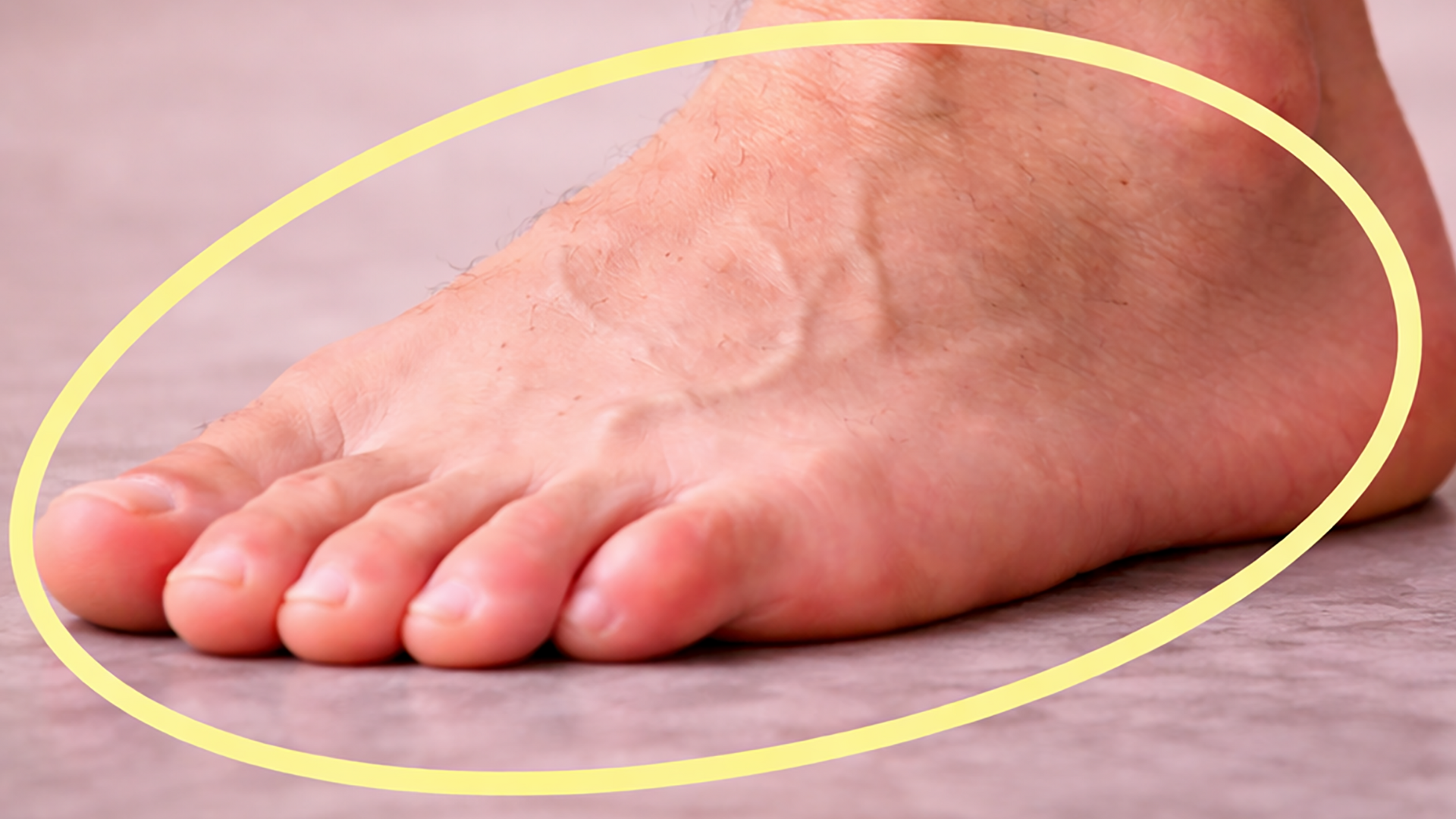
4-wheel drive. The best footbeds are custom moulded to your particular arch shape,
not unlike orthoses, however the end goal for footbeds is slightly different, due to the
limited and desired movements of the foot inside a ski boot which are different to an
orthosis designed for everyday wear, although both can be altered regarding
pathology and individual need.
A note to end on then, and this goes for orthoses and footbeds, it is great practice to
remove either of these to A) dry them out of a wet ski boot B) switch them between
shoes depending on your plans for the day to ensure seamless support. It is often a
good idea to mark left and right on these. I have many times diffused a rather tense
situation of a customer (less often a patient it has to be said, perhaps less of the
apres scene in London contributes to this anomaly?), coming up to me most
displeased with the pain of “the most uncomfortable thing I have ever had in my
shoes”, only to simply switch the left and right back to their original side and have the
client walk out pain free. I love an easy fix.
*the difference between orthoses and footbeds is a somewhat grey area: think
vacuum vs hoover (branding), every hoover is a vacuum but not every vacuum is a
hoover- in the same way every orthotic is a footbed but not every footbed is an
orthotic. An orthotic or orthoses is created (hand lovingly crafted or computer
scanned and printed) by a medical professional for your foot specifically to target the
issue you have presented with, whereas you can buy a stock footbed from Boots but
its unlikely to be as beneficial to your foots individual requirements.