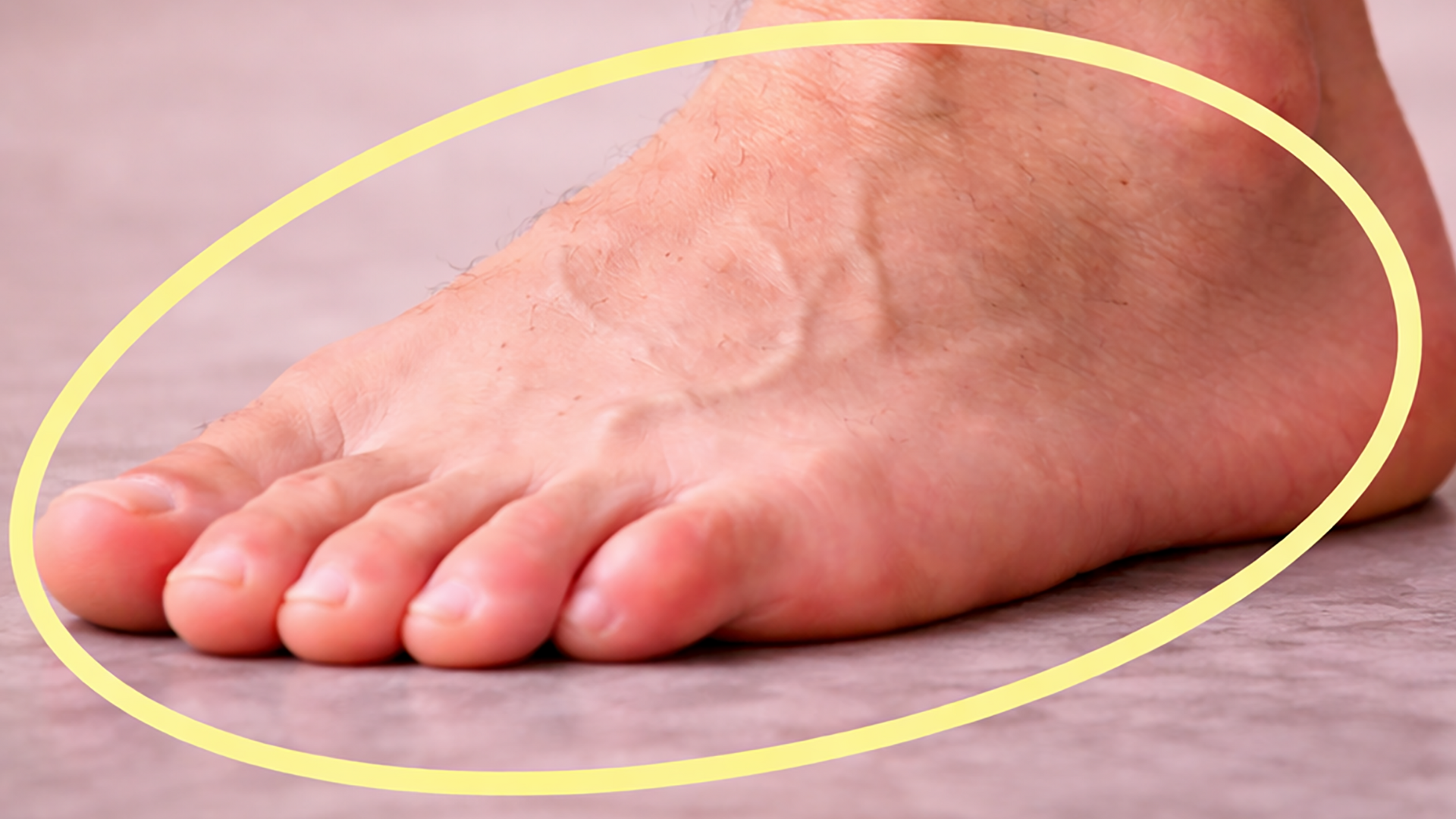

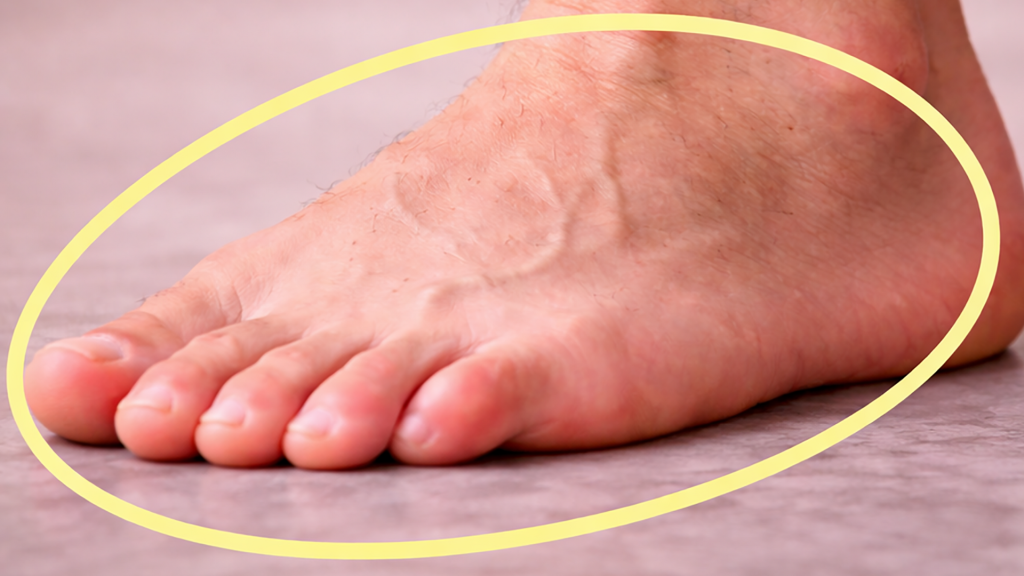
When it comes to foot health, toenails are often overlooked—until something goes wrong. At Dulwich Podiatry Ltd, we see nail concerns every day, from cosmetic worries to signs of underlying problems. So what do healthy toenails actually look like, and when should you seek professional advice?
What healthy toenails should look like
Healthy toenails are generally:
- Pale pink in colour with a clear, lighter half-moon (the lunula) at the base
- Smooth and even in texture, without ridges, pits or crumbling
- Moderate in thickness, not overly thick or brittle
- Firm but flexible, not splitting or lifting from the nail bed
They should grow steadily and feel comfortable in footwear—no pain, pressure or sensitivity.
Signs your toenails may not be healthy
Changes in toenails are common, but not all are harmless. Here are some of the most frequent issues we see:
1. Fungal nail infections
Fungal nails often appear yellow, white or brown, and may become thickened, crumbly or distorted. They can lift away from the nail bed and are often mistaken for simple damage. Early treatment is key—fungal infections rarely resolve on their own.
2. Thickened nails
Thickened toenails can result from repeated trauma, ageing, poor circulation or fungal infection. They may become difficult to cut and uncomfortable in shoes. Regular podiatry care can safely reduce thickness and prevent further problems.
3. Nail trauma
Stubbing toes, tight footwear, running, or past injuries can cause nails to bruise (often appearing black or dark purple), loosen or grow abnormally. Trauma-related nail changes are common and not always painful—but they shouldn’t be ignored, especially if the nail isn’t growing back normally.
4. Changes in shape or growth
Nails that curve excessively, split, or grow unevenly may signal pressure issues, biomechanical problems, or underlying health concerns. In-growing nails, in particular, can quickly become painful or infected without proper treatment.
When to see a podiatrist
If you notice persistent colour changes, thickening, pain, lifting, or infection, it’s time to get expert advice. Early assessment can prevent long-term damage, discomfort and complications—especially if you have diabetes or circulation issues.
At Dulwich Podiatry Ltd, we don’t just treat problem nails—we help you understand them. If you’re unsure whether your toenails are healthy, we’re always happy to take a look. Healthy feet start at the toes.