
By Lottey Matthews, Podiatrist at Dulwich Podiatry
The weather is turning, for us here in the UK the temperature ranges are relatively
temperate but out in the world of skiing anything warmer than -10 Celsius is shorts
weather.
From a podiatry point of view the cold weather means a couple of things.
Clinic will be busier, the entrance back into closed shoes for some results in
perceived re-emergence of corns, although likely these have building up with
pressure and friction all summer only to be noticed when back in your narrow winter
shoes. It also means for sufferers of Raynaud’s and chilblains an increase in sock
wearing, doubling up, various cold battling creams* and even heated inserts for
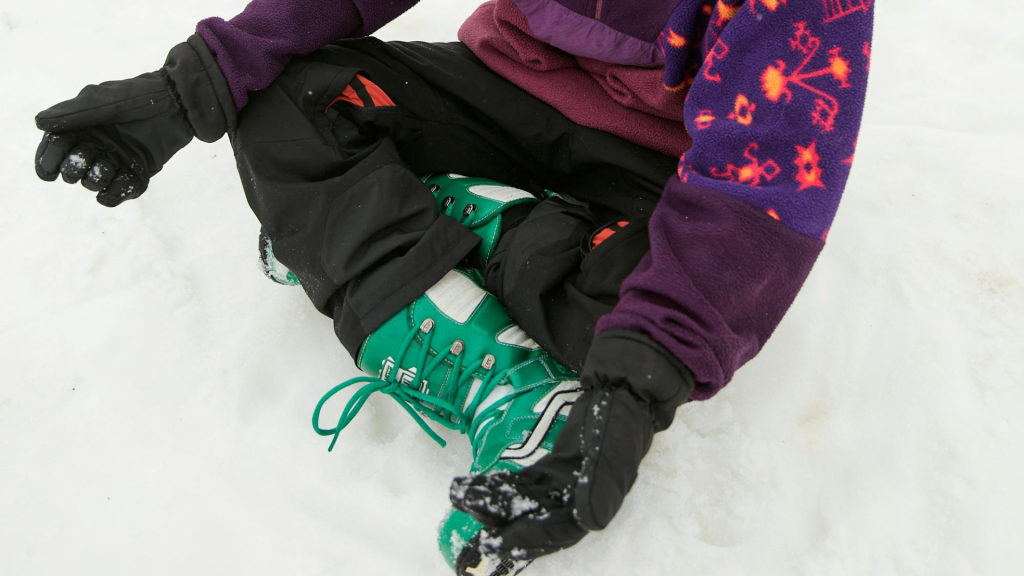
shoes become the norm. This overlap with ski boots is that they are famously not
very warm shoes. This isn’t always the case, improvements in thermoplastics
means that for some brands of ski boots they hold their heat relatively well, but
inherently plastic shoes submerged in snow can be somewhat chilly. The invent of
new generation heated socks and shoe inserts is a game changer, gone are the
days of little heated packets which when exposed to the air become hotter than the
sun, and now tech *with Bluetooth ability* means that you can recharge batteries
and have toasty feet all day. I absolutely recommend these, as someone who talks a
big game about skiing I cannot and will not have cold feet all day. I even worked with
someone in the UK who wore them chairside in the podiatry clinic to avoid chilly
tootsies! Thermo-perception (does my foot feel hot or cold right now?) is mainly
based in the peripheries, meaning that in order to have your whole foot feel warm, all
you really need to do is heat up the toes which is a nifty little biological hack.
Chilblains are the blight of the UK and ski resorts the world over, the combination of
cold and damp are the main environmental precursors to these painful and itchy
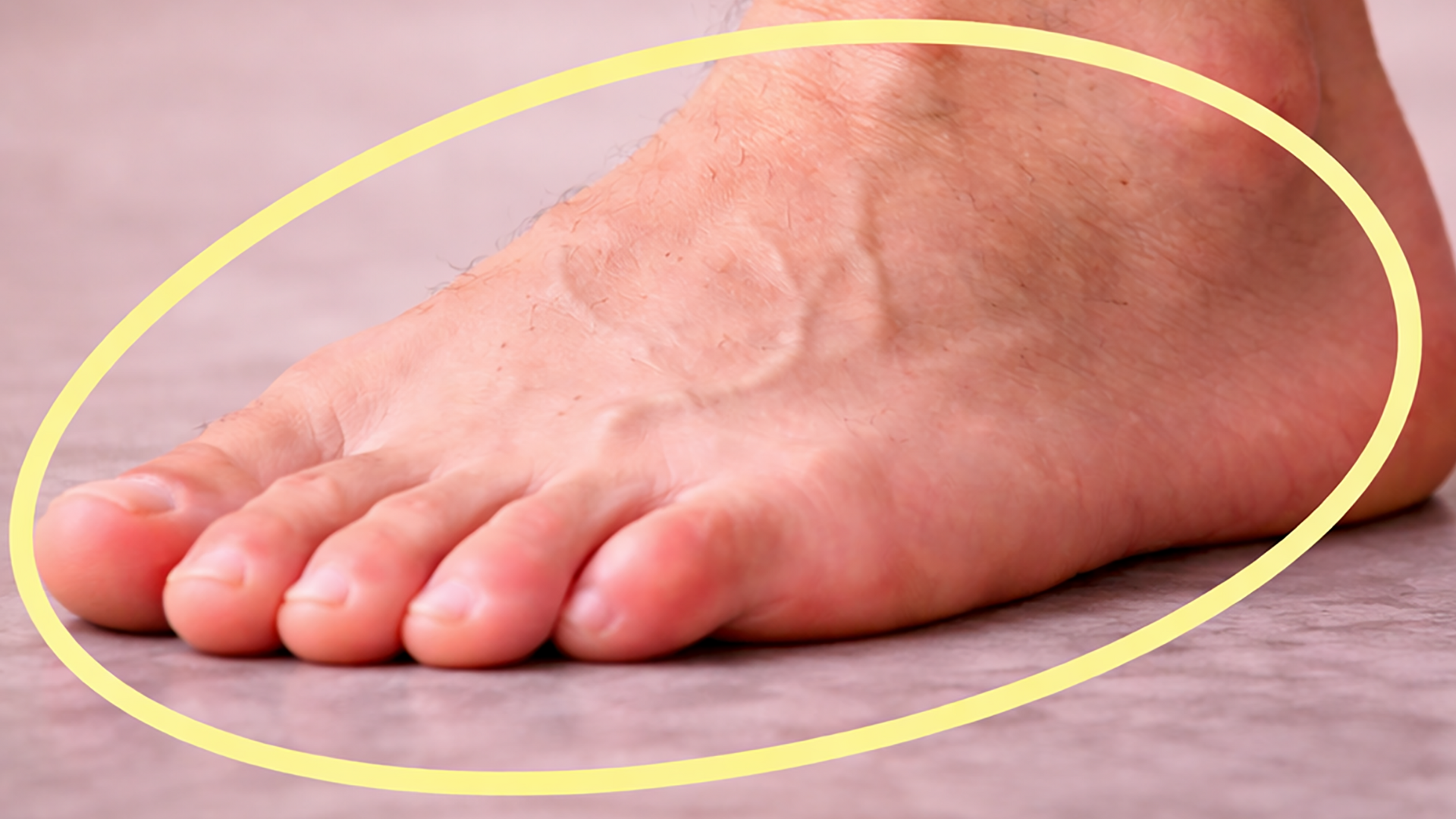
toes. They generally occur on the tips of the toes and have quite a specific
appearance and sensation. These are however able to be replicated on other areas
of the feet, a particular gentleman having been passed around my colleagues in the
ski shop for 2 weeks with mysterious rash and severe pain to one heel revealed
chilblains, warmer socks, aforementioned creams and a break from skiing was
recommended and another happy client!
*never fear; In clinic we carry a cream for Raynaud’s/chilblains which contains a
heap of anti-inflammatories and can provide a plethora of advice for prevention and
management. An older style of treatment were the creams which contain capsicum
which is what makes your mouth burn from a particularly hot vindaloo, although you
probably want to keep the chillis in the kitchen away from your grippers (I heard a
young person say grippers once for feet and I am trying to stay abreast of the youth,
is it working??).